

Lung cancer causes the greatest number of deaths and is the most diagnosed cancer in Australia’s First Nation communities. And the toll this takes on individuals’ lives, their families and culture is huge, says A/Prof Lisa Whop from Australian National University.
“The loss of lives to lung cancer comes at a huge cost – for Mob, that means loss of culture, language and history. Most people I spoke to about the National Lung Cancer Screening Program had one, two or more people in their family with lung cancer,” says A/Prof Whop, a Senior Fellow at ANU’s Yardhura Walani – the National Centre for Aboriginal and Torres Strait Islander Wellbeing Research.
“Providing communities with the opportunity to access low-dose CT scans and smoking cessation supports could help change this narrative.”
“Everyone I’ve interacted with about the new national program want it, and they want it to work for Mob,” A/Prof Whop says.
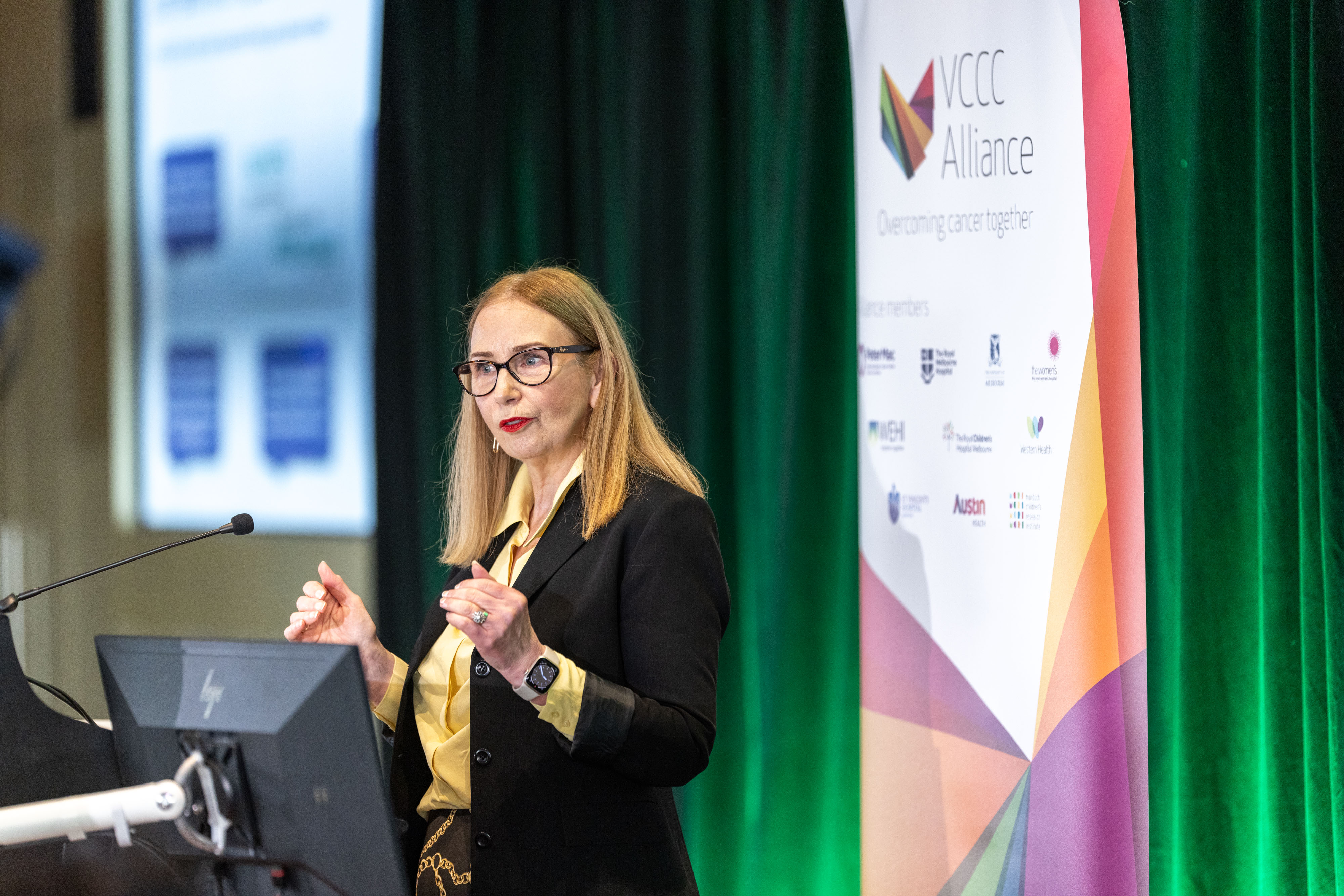
A/Prof Whop is renowned as Australia’s leading authority on cervical cancer control in Aboriginal and Torres Strait Islander women. She contributed to the development of the National Lung Cancer Screening Program guidelines, and developed materials on shared decision making and informed consent through extensive consultation with Aboriginal and Torres Strait Islander peoples. She will speak at the VCCC Alliance Lung Cancer Screening Symposium on 23 May, during the session ‘Building a person-centred culturally safe model of care for First Nation communities’.
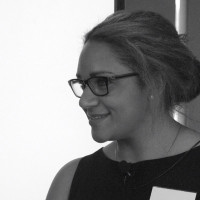
A/Prof Lisa Whop
“Unfortunately, established healthcare systems haven’t always been a safe place for Mob to seek care,” says A/Prof Whop. “This program is an amazing opportunity to ensure care is delivered in a culturally safe way.”
Understanding the historical experiences of First Nation communities is of utmost importance when designing a culturally safe and effective screening program, says A/Prof Whop.
“Up until about the 1960s, First Nations people were paid in rations of tobacco, in lieu of cash,” she says. “That ‘payment’ led to smoking addiction among First Nation communities, and many communities have experienced, and continue to experience, trauma—which makes it even more challenging to treat addiction.
“Despite huge declines in smoking prevalence across the Australian population—and among Aboriginal and Torres Strait Islander peoples—smoking and lung cancer rates remain disproportionately high in Aboriginal and Torres Strait Islander communities. It will take sustained, long-term efforts to bring these rates down.”
According to A/Prof Whop, the approach to healthcare decision-making is very holistic in First Nation communities. People need to be able to have trusted conversations with their family and understand the benefits of ‘why am I doing this?’
“The role of the Aboriginal and Torres Strait Islander health worker is critical,” A/Prof Whop says. “They support communities to understand the benefits of screening and play a central role in delivering culturally safe, holistic, and responsive care.”
“Aboriginal and Torres Strait Islander health workers understand health and wellbeing from a community perspective, and the broader benefits that can come from screening. Their leadership helps ensure the program feels culturally safe and accessible—so that people feel confident to participate. If people are supported to make informed decisions, those decisions are shared, and there’s genuine community buy-in.”
For non-Indigenous healthcare workers who may be encouraging First Nation communities to participate in the new screening program, A/Prof Whop reflects: “It may not be obvious or intentional, but structural and personal racism plays out every day in our healthcare systems. I think healthcare workers should ask themselves, ‘How do I personally create an environment of cultural safety?’ That takes a lot of self-reflection.”
Central to the creation of a culturally safe and effective program is the provision of clear and accessible information that addresses questions such as: What do I need to know? What are the benefits of the program? What are the harms? Who can I talk to? What kind of language will be used; will I be able to relate to it and understand it?
“This information has to be consistently understood and shared between a number of layers of healthcare professionals, individuals, families and communities,” A/Prof Whop says. “This includes the National Aboriginal Community Controlled Health Service, which has contributed significantly to the development of this program and is core to the First Nation population’s wellbeing, due to the ‘wrap-around’ services provided. It’s important to ensure there is support for the communities to succeed in the program. For example, that means providing clear and accessible information, informed decision making, and culturally safe and accessible health care access.”
“I’m really interested to see where we are at – in the community and across the healthcare system – with regards to their readiness for this program. And I’m keen to hear from people about how we can have a really successful lung cancer screening program that centres on Aboriginal and Torres Strait Islander communities.”
A note on culturally safe practise: The following definition was developed by the Aboriginal and Torres Strait Islander Health Strategy Group for the Australian Health Practitioner Regulation Agency’s Aboriginal and Torres Strait Islander Strategy.
Culturally safe practise is the ongoing critical reflection of health practitioner knowledge, skills, attitudes, practising behaviours and power differentials in delivering safe, accessible and responsive healthcare free of racism.