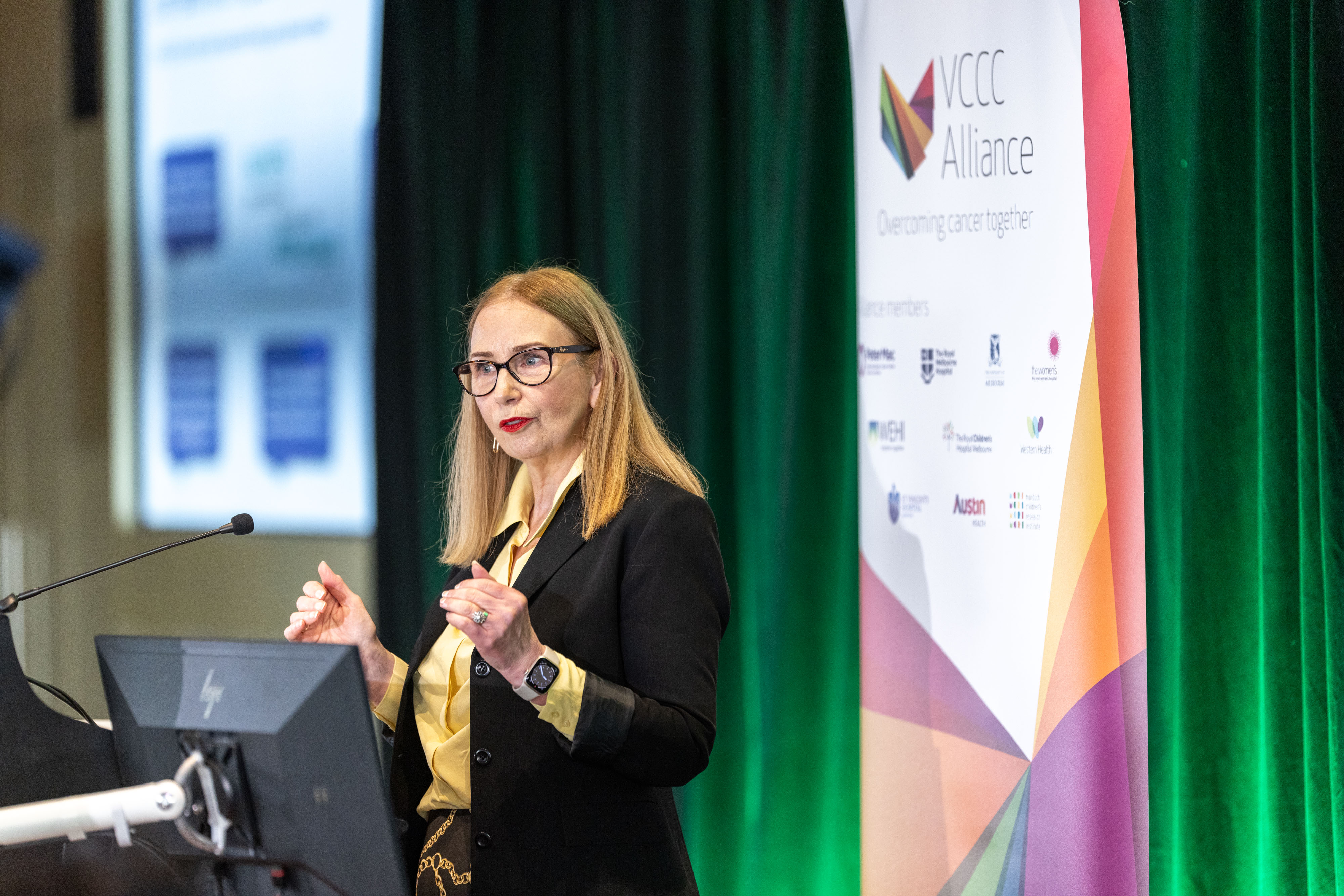


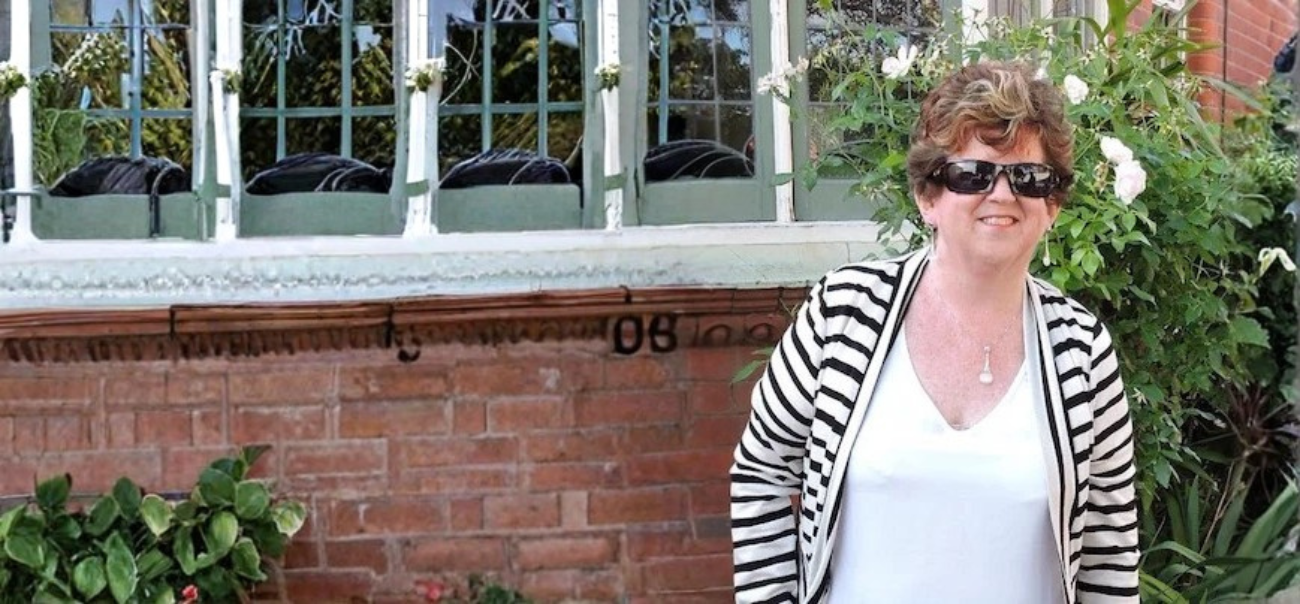
At just 10 months old, Louise Pearson was diagnosed with retinoblastoma and was left completely blind after surgery to remove her eyes. She shared her story about her experience with both blindness and cancer, which has more recently included a pancreatic cancer diagnosis, at a special Monday Lunch Live webinar broadcast to mark World Cancer Day.
Shaped by the World Cancer Day theme United by Unique, the webinar explored how the cancer system could better support people living with mental health or disability challenges alongside cancer.
“We need to be united in our attempts to be inclusive and an important part of that goal is recognising the uniqueness of each individual,” Ms Pearson said in her presentation.
Personal experiences with cancer
She said important steps that had worked for her as someone experiencing blindness and cancer, was downloadable text-based PDF documents and accessible internet functions, enabling users to conduct their own research and listen to page content read aloud. A plethora of apps, social media groups, and audiobooks were also great tools to access for support and help, she said. NDIS support offering patient transport to appointments was also invaluable.
However, her experience navigating the cancer system as an adult with pancreatic cancer was in stark contrast to how the news was broken to her parents that their child had cancer 56 years earlier – which was delivered gently along with silver service.
Louise says she feels the news that she may only have 18 months (she has lived for more than four) to live was delivered abruptly with few opportunities to ask questions. She understood she was to have the Whipple procedure to remove most of the pancreas, the gallbladder, the duodenum, gallbladder and bile duct, but wondered what that would look like. What does a pancreas look like?
More can be done to tailor care to individual needs
Other varied experiences with allied health and as an inpatient prompted Louise to think that more needs to be done to ensure the cancer care system is equipped to deal with individual patients’ needs.
“I believe that the key to a more inclusive future lies in education. We need to be educating the community about the needs of people with disabilities,” Louise said.
“We need to teach people, be they health professional, researcher, lecturer, or the students who will be health professionals of the future, to work with people to find ways to meet the unique needs of each person, not ever allowing them to feel like an imposition.”
Listening to people who experience cancer
“I want to hear less of the hushed tones that people suddenly develop when they talk about cancer, or to people with cancer.
“Disability is no more a word to be skirted around than is death or cancer.
“Knowing that not everyone will agree with me about what we need, means incorporating consumer feedback is critical, as is involving consumers wherever possible in aspects of training.”
Practical steps
More practical aspects included ensuring websites are accessible to those with screen reading software, resources explain in plain English.
“Having plastic models available of things like organs which might be impacted by cancer, so that blind people are better able to picture what is going on in their bodies, is an easy step which could really help to clarify things,” she said.
Poorer cancer outcomes experienced by those with mental health and disability
Chaired by Melissa Le Mesurier, VCCC Alliance Board Director and Chair of the Cancer Consumer Advisory Committee – herself a bladder cancer survivor – the World Cancer Day webinar also included Prof Sarah Wilson, CEO, Victorian Collaborative Centre for Mental Health and Wellbeing.
Prof Wilson said the collaborative centre was designed to bring together people with diverse experiences including consumers and carers in the system, to inform what was needed to improve it in line with the recommendations of the Royal Commission into Victoria’s mental health system.
Prof Mei Krishnasamy, VCCC Alliance Cancer Nursing Lead and Professor of Nursing, University of Melbourne, led the discussion by highlighting that improving cancer outcomes for all Australians was at the heart of the Federal Government’s Australian Cancer Plan. Data showed that people with disability and mental health problems have worse cancer outcomes than others with a diagnosis.
A/Prof George Disney, Principal Research Fellow, NDIS, Melbourne School of Population and Global Health, University of Melbourne, presented evidence to the webinar that people with disability were missing out on screening programs for cancers including breast, cervical, and bowel and tended to be diagnosed with cancer at a later stage.
The VCCC Alliance would like to thank all the participants involved in the webinar which also included:
A/Prof Cathy Daniel
Consultation Liaison Psychiatry Nurse, the Royal Melbourne Hospital;
Associate Professor, Australian Catholic University
Alison Stanyer
Client Participation Manager, Scope Australia
Kate Barber
Team Lead, Counselling Service, Cancer Council Victoria